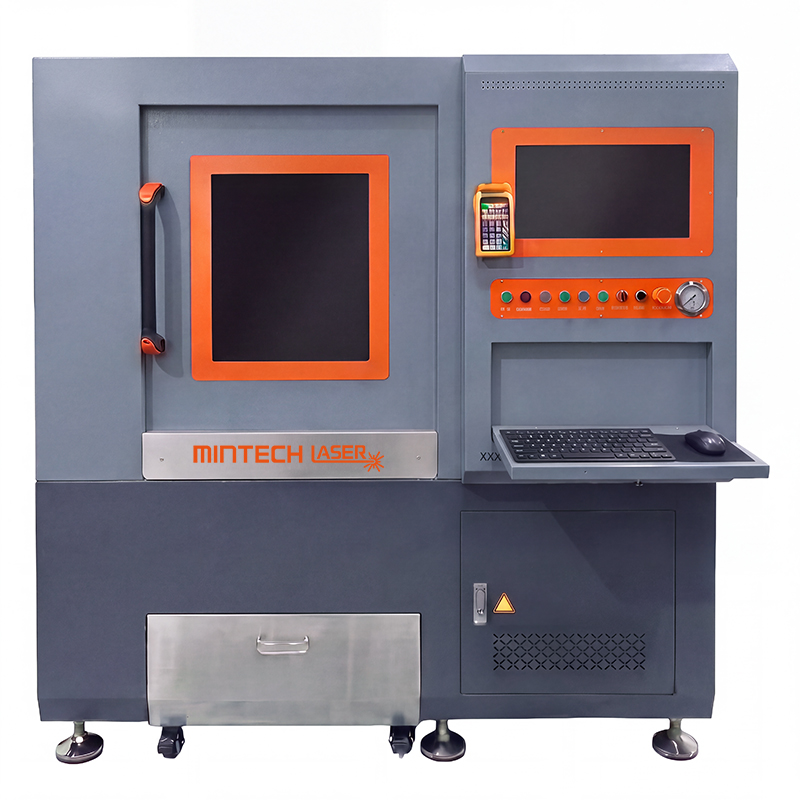
HC22-3K
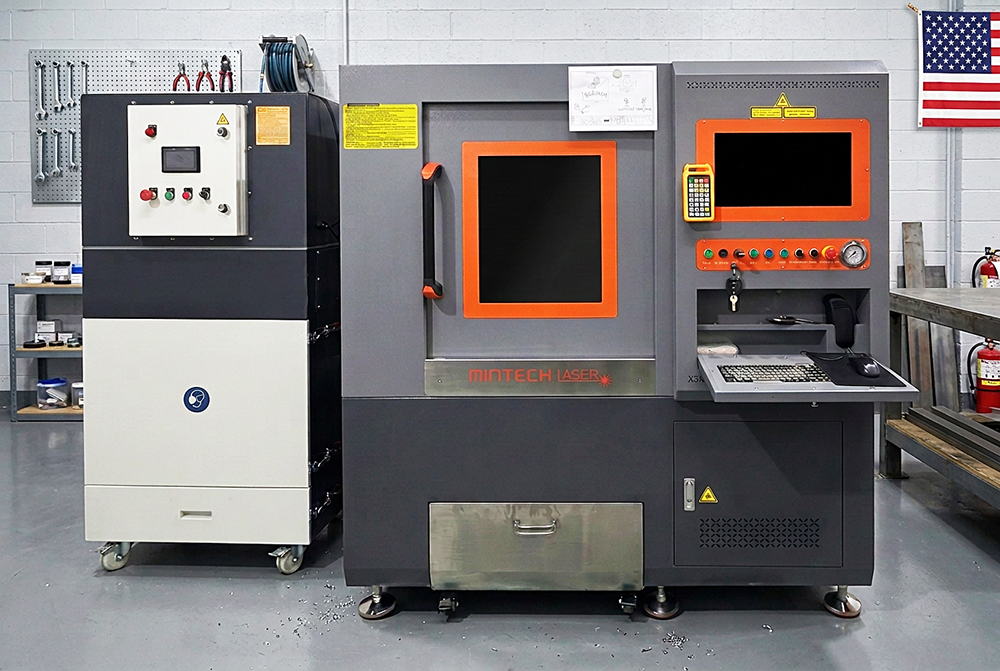
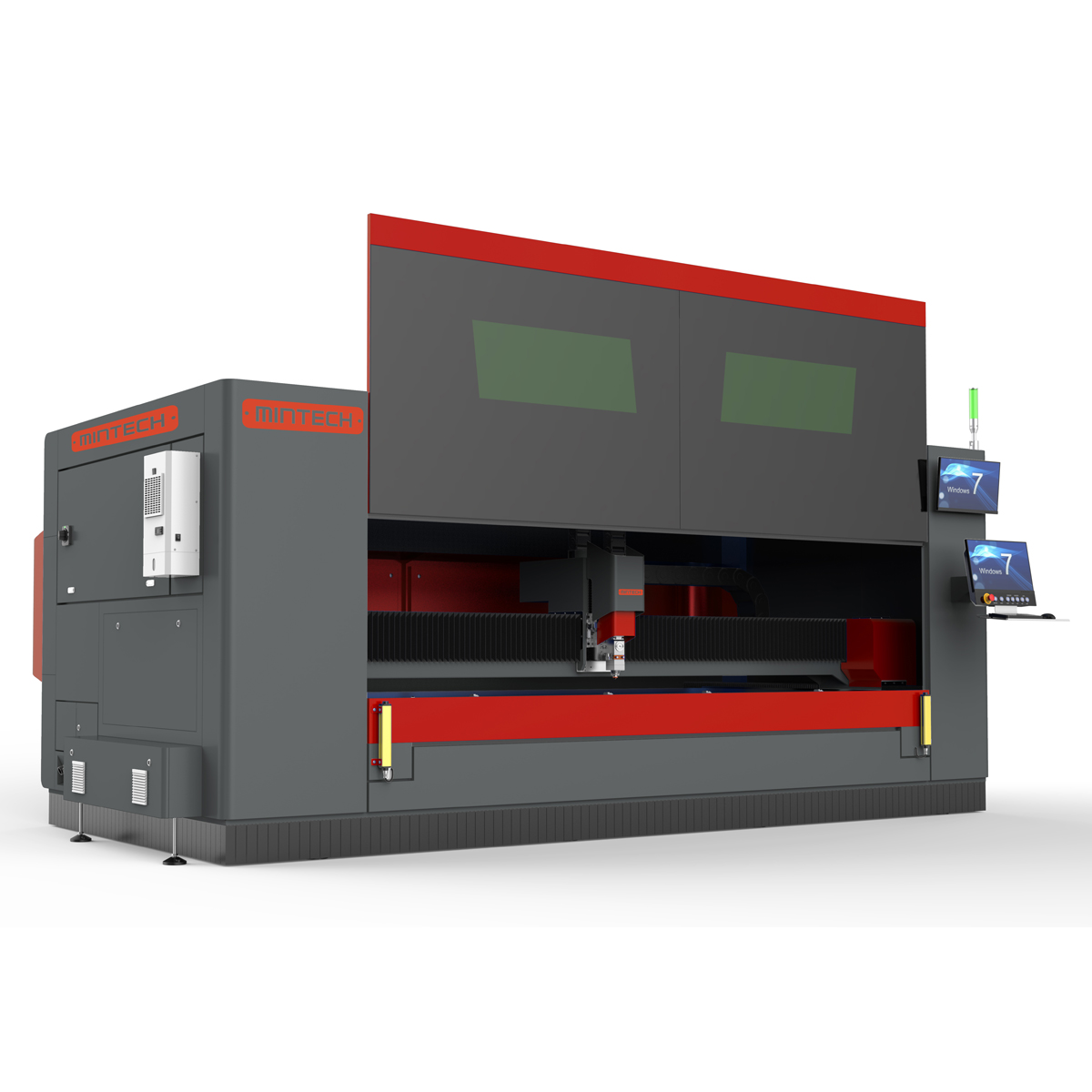
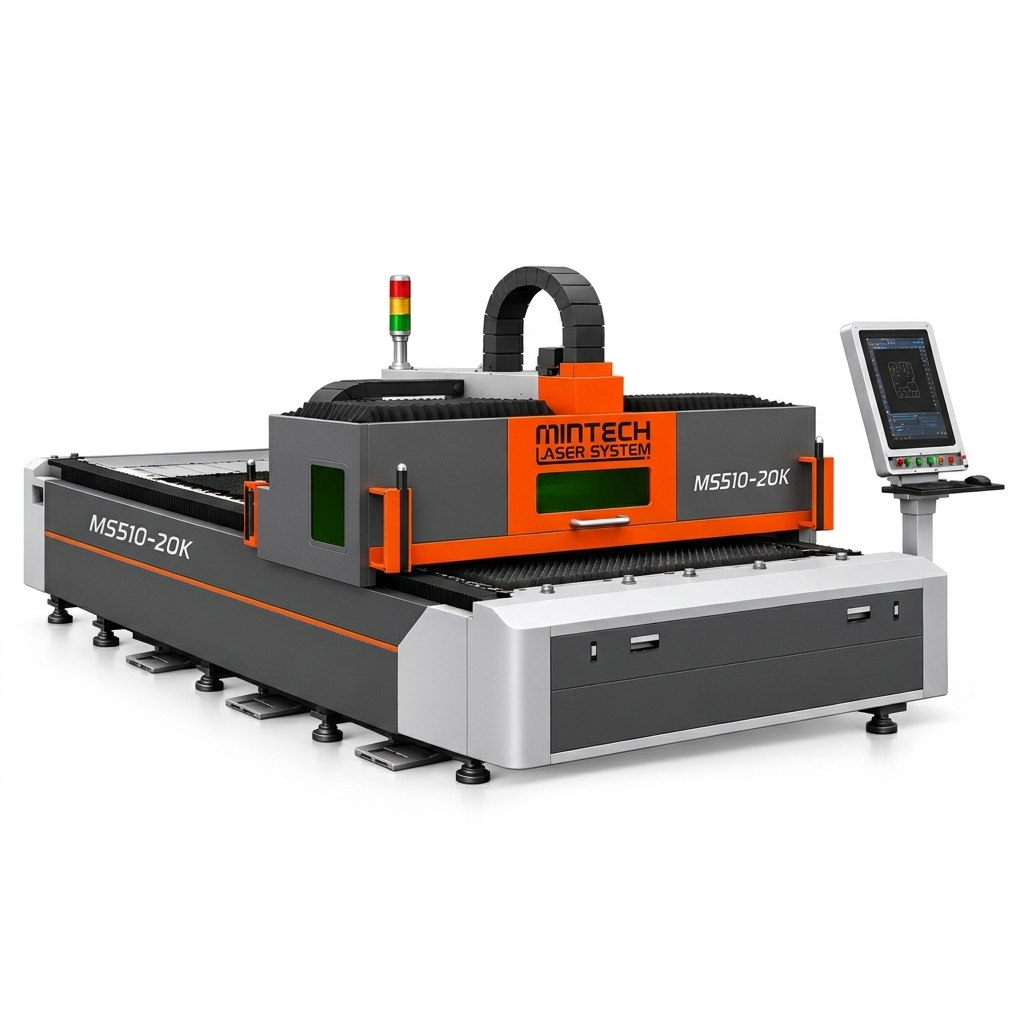
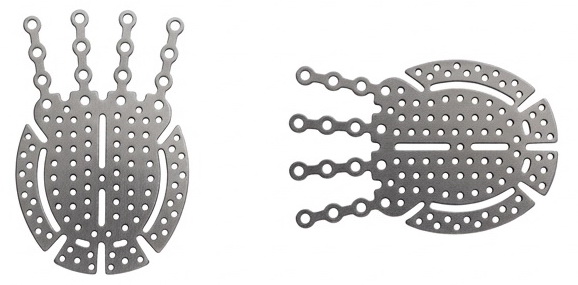
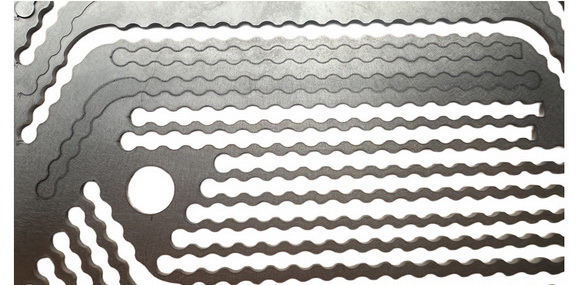
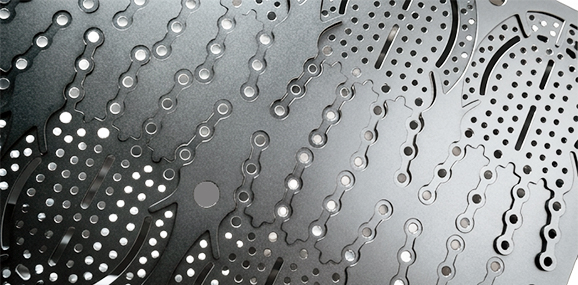
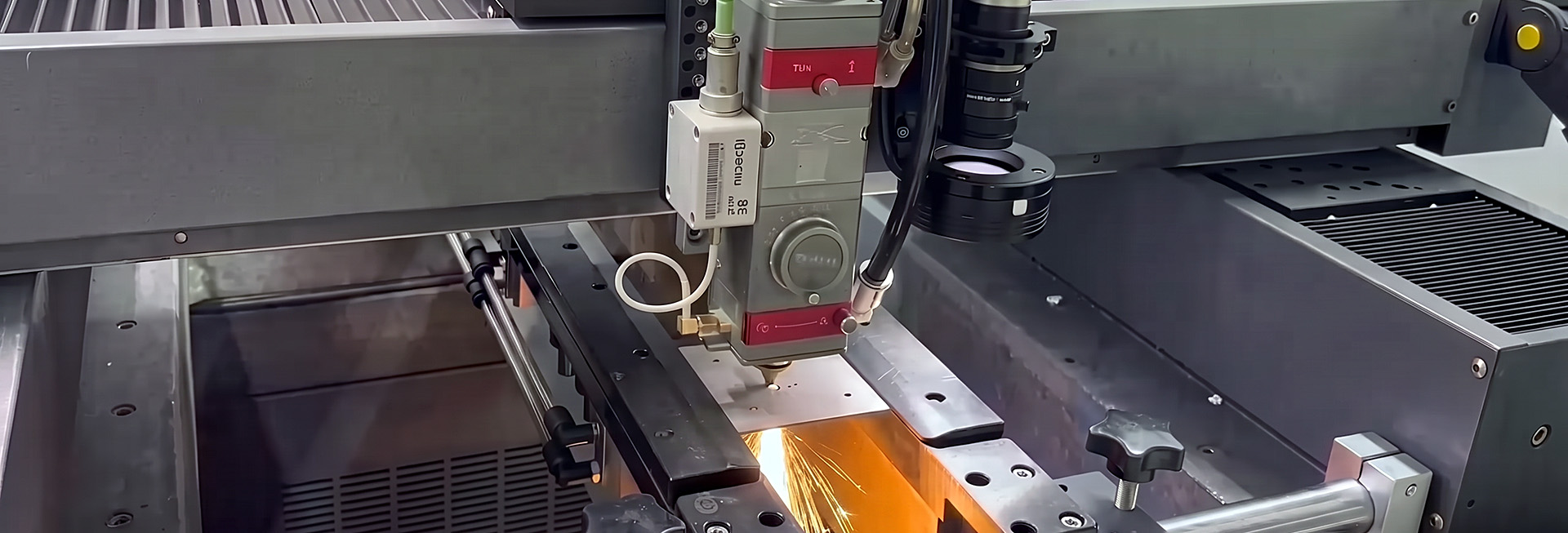
High-performance precision cutting solution that combines a powerful 3kW fiber laser source with automated vision alignment, intelligent CNC controls, and industrial-grade construction. Designed for manufacturers demanding maximum accuracy, repeatability, and efficiency, it provides an ideal platform for cutting complex titanium and metal components in medical, aerospace, and advanced manufacturing applications.
-
Material Processing Capabilities
The HC22-3K is designed to process a wide range of industrial metals, including:- Titanium
- Stainless steel
- Carbon steel
- Aluminum
- Copper alloys
- Precision engineering metals
-
Productivity Advantages
Manufacturers benefit from:- Faster throughput compared to conventional cutting methods
- Reduced scrap rates
- Lower labor requirements
- Improved process consistency
- Minimal maintenance requirements
- Reduced operating costs
- Higher production efficiency
-
Ideal Industries
The HC22-3K is particularly well suited for:- Medical device manufacturing
- Aerospace component production
- Precision metal fabrication
- Electronics manufacturing
- Research and development facilities
- Contract manufacturing operations
- High-value component production
- Advanced industrial machining environments
The Mintech HC22-3K Fiber Laser System is a high-performance precision cutting solution that combines a powerful 3kW fiber laser source with automated vision alignment, intelligent CNC controls, and industrial-grade construction. Designed for manufacturers demanding maximum accuracy, repeatability, and efficiency, it provides an ideal platform for cutting complex titanium and metal components in medical, aerospace, and advanced manufacturing applications while reducing waste, improving quality, and increasing productivity.
Customer Case Study · Medical Manufacturing
Precision Laser Processing for Advanced Medical Device Production
A custom fiber laser platform designed to help medical device manufacturers cut intricate titanium components with precise positioning, automated vision alignment, and repeatable process control.
Case Study Details Blog about Precision Laser Cutting| Technical Specifications | |
|---|---|
| Laser Source | 3,000 W fiber laser |
| Power Adjustment Range | 10–100% |
| Laser Wavelength | 1080±10nm |
| Operating Mode | Continuous Wave (CW) |
| Working Area | 24 × 24 in class / approximately 600 × 600 mm |
| Axis Travel | XYZ - 600 × 600 × 90 mm |
| Max Rapid Traverse Speed | 20m/min |
| Max Acceleration | 0.8G |
| Cutting Thickness | 0.3–3.0 mm |
| Cutting Accuracy | ±0.02mm (for reference; depends on material, thermal deformation, and other factors) |
| Positioning Accuracy | ±0.01 mm |
| Repeat Positioning accuracy | ±0.005 mm |
| Vision System | CCD automatic feature recognition and X/Y/Z compensation |
| Machine Base | Granite |
| X/Y Drive System | Linear motors |
| Position Feedback | Renishaw linear encoders |
| CNC Control | BOCHU laser control with vision integration |
| Workholding | Pneumatic clamping |
| Cooling System | Dual-temperature, dual-control water cooling |
| Cooling Temperature | 25–27°C |
| Cutting Gas Pressure | 1.5MPa |
| Machine Rated Power | < 8kW |
| Power Requirements | 380V/50Hz, three-phase, effective grounding |
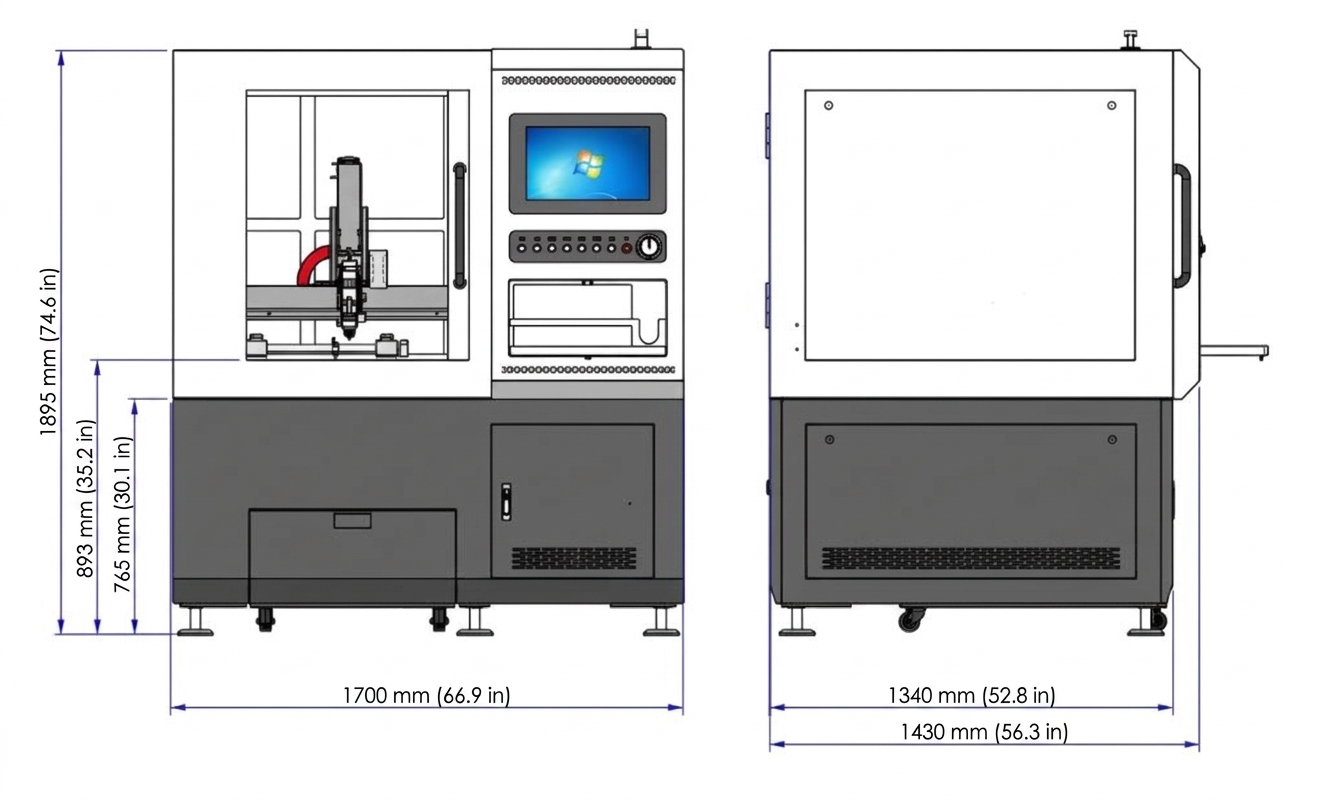
| Dimensions (L×W×H) | 1500×1700×1950mm (60" x 67" x 77") View image |
| Approx. Machine Weight | 1,000 kg / 2,205 lb |
| Optional Equipment |
|
Frequently Asked Questions
A medical device laser cutting machine is a precision manufacturing system designed to produce surgical instruments, implants, orthopedic components, medical tubing, and other critical healthcare products with exceptional accuracy, repeatability, and edge quality. Fiber laser technology is widely used because it delivers clean cuts with minimal thermal distortion.
A CCD vision laser cutting system uses a high-resolution camera to identify reference marks, align materials, and compensate for positioning variations before cutting. This technology helps improve accuracy, repeatability, and production consistency, especially for intricate medical, aerospace, and precision manufacturing applications.
Yes. Fiber laser cutting machines are widely used to process surgical-grade stainless steels because they provide high cutting precision, clean edge quality, and excellent dimensional consistency. This makes them suitable for medical instruments, surgical tools, and precision healthcare components.
Fiber laser cutting offers excellent precision, fast processing speeds, minimal material waste, and high-quality cut edges when processing titanium components. These advantages make fiber lasers ideal for manufacturing medical implants, orthopedic devices, aerospace parts, and other critical titanium applications.
The achievable tolerance depends on material type, thickness, part geometry, and machine configuration. High-precision fiber laser systems equipped with advanced motion control and vision positioning technologies are designed to achieve the accuracy required for demanding medical and aerospace manufacturing applications.
Yes. Fiber laser cutting is commonly used for manufacturing medical implants because it provides precise feature control, excellent edge quality, and the ability to process biocompatible materials such as titanium and stainless steel. These capabilities support the strict quality requirements of the medical industry.
The best laser cutting machine for medical manufacturing is one that combines high positioning accuracy, advanced motion control, vision-assisted alignment, and reliable fiber laser technology. Systems such as the HC22-3K are designed to meet the precision, consistency, and quality requirements commonly found in medical device production environments.
Yes. The HC22-3K is designed for precision cutting applications and is well suited for processing thin metal materials used in medical devices, electronic components, precision instruments, and specialty industrial products.
Medical devices often contain intricate features and tight tolerances that directly affect product performance and safety. Precision laser cutting helps ensure dimensional accuracy, repeatability, and consistent quality across production runs, supporting demanding manufacturing standards.